How to Find a Trusted Cosmetic Dentistry Provider

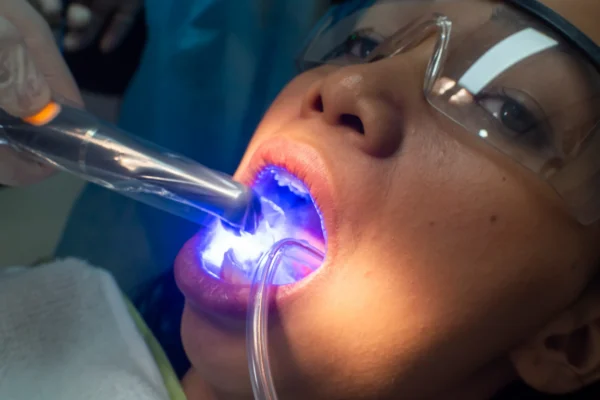

A great cosmetic dental result can change far more than a smile. It can alter how someone speaks in meetings, how confidently they laugh in photos, and whether they stop covering their mouth when they talk. That is exactly why choosing a provider deserves more care than many patients give it at first. Cosmetic Dentistry sits at the intersection of health care, aesthetics, materials science, and judgment. It is not a simple retail purchase, even if some marketing tries to make it feel that way.
Many people begin the search with before-and-after photos and a rough price range. That makes sense, but it is not enough. A provider can have a polished Instagram feed and still be a poor fit for your case. Another may have a modest online presence and deliver beautiful, conservative work that lasts for years. The difference usually comes down to training, planning, communication, and restraint.
I have seen patients who were thrilled after subtle bonding or whitening because the dentist preserved what already looked natural. I have also seen patients spend a great deal on veneers that looked flat, bulky, or too opaque for their face. Most of those disappointing outcomes could have been reduced, and sometimes avoided, by asking better questions earlier.
Start by defining what you actually want
The first mistake many patients make is asking for a treatment before clarifying the result. They call and say they want veneers, or they ask for a complete smile makeover, when what they truly want is a brighter, more even smile that photographs well and does not look obvious. Those are not the same thing.
A trusted cosmetic dentist should slow the conversation down. If your front teeth are slightly uneven, mildly stained, or chipped at the edges, veneers may not be the most conservative answer. Whitening, enamel reshaping, orthodontics, or composite bonding may produce a better outcome with less removal of healthy tooth structure. On the other hand, if the teeth have extensive wear, old mismatched restorations, or shape problems that cannot be solved with bleaching alone, more involved treatment may make sense.
This is where good providers stand apart. They do not lead with the most expensive option. They help you distinguish between color, alignment, shape, gum display, bite, and long-term function. A smile can look off for several reasons, and each problem calls for a different tool.
Try to describe your goals in ordinary language. Say that your teeth look too short, too yellow, too crowded, too square, or too uneven. Mention whether your concern shows when you smile broadly or only up close. Bring old photos if your smile has changed over time due to wear or chipping. The more clearly you can describe the problem, the easier it becomes to tell whether the dentist is listening or simply steering you toward a prepackaged treatment.
The best cosmetic dentists are usually conservative
Cosmetic work is not only about what can be done. It is about what should be done. Teeth are not fingernails. Once healthy enamel is removed, it does not grow back. That reality should shape every recommendation.
A trustworthy provider tends to talk about preservation early. If a case can be improved with no drilling or minimal drilling, you should hear that. If orthodontic movement could reduce the need for aggressive reshaping, that should come up. If your bite places heavy stress on front teeth, the provider should address that before promising long-lasting veneers.
Conservative treatment is not a sign of hesitation or lack of skill. Often it is the opposite. It takes judgment to stop short of overtreatment, especially when a patient arrives asking for something dramatic. It also takes confidence to explain why a smaller intervention may create the best overall result.
There are situations where comprehensive cosmetic treatment is appropriate. Severe discoloration from medication, old crowns on front teeth, erosion, trauma, and advanced wear can justify more extensive work. But even in those cases, the best clinicians usually discuss trade-offs with unusual clarity. They explain what treatment improves, what it cannot change, how much maintenance will likely be needed, and what future replacements may look like.
Credentials matter, but not in the simplistic way many people think
There is no single credential that automatically proves excellence in cosmetic dentistry. At the same time, training matters. So does the dentist’s commitment to continuing education, photography, smile design, adhesive techniques, and collaboration with a high-quality dental laboratory.
General dentists can be excellent cosmetic providers, and some specialists perform highly aesthetic work as well. The key question is not whether someone has a glamorous title. It is whether they have substantial experience in the kind of case you have.
Look for signs of focused training and a genuine aesthetic practice. That may include advanced coursework, membership in respected professional organizations, regular case documentation, or published case examples that show planning and follow-through. None of these guarantees a great result, but together they paint a picture of seriousness.
Be cautious with vague claims like “celebrity smile expert” or “best cosmetic dentist” unless there is substance behind them. Awards based on advertising or popularity should not carry the same weight as rigorous clinical education and strong patient outcomes. Marketing can create an aura of expertise very quickly. Skill takes much longer.
Before-and-after photos should answer more than one question
Photos are useful, but they are easy to misread. Many patients look only for dramatic improvement. A better approach is to study the details. Ask yourself whether the after photo still looks like a real person’s smile. Do the teeth fit the face? Are they all the same color from edge to gumline, which can make them look artificial? Do they appear bulky or too long? Are the gum levels balanced? Is there a natural variation in shape and translucency, or do the teeth resemble identical white tiles?
Consistency matters too. A single stunning case proves very little. A trustworthy provider should be able to show several cases that reflect different problems and different solutions, not just the most photogenic transformations. Cases that resemble yours are especially valuable. If your issue is spacing, peg laterals, edge wear, or tetracycline staining, you want to see evidence that the dentist has handled that exact challenge well.
Pay attention to photography quality, but do not confuse polished images with polished dentistry. Excellent clinicians often take excellent photos because they document carefully. Still, professional lighting and editing can flatter mediocre work. Ask whether the images show the final result immediately after treatment or after a period of healing and adaptation. Freshly placed veneers can look different from restorations that have settled naturally in the mouth over a few months.
A consultation should feel like an assessment, not a sales pitch
The first visit often tells you almost everything you need to know. A good cosmetic consultation is thoughtful and specific. It should include listening, examination, photos, and a discussion of your bite, gum health, tooth structure, and habits such as clenching or grinding. If someone recommends a full set of veneers after a very quick look, that is a reason to pause.
The provider should be able to explain why they are recommending one path over another. They should also be comfortable discussing alternatives, even if those alternatives are less profitable. When a patient hears only one option, especially an expensive one, trust becomes harder to earn.
You are not only evaluating expertise. You are also evaluating communication. Cosmetic treatment can involve several appointments, temporary restorations, lab work, adjustments, and follow-up. If you feel rushed or talked over in the consultation, that pattern may continue when more important decisions arise.
A useful consultation usually covers timing, number of visits, temporary phases, whether a wax-up or mock-up will be used, and how the dentist communicates with the ceramist. It should also include a candid discussion about limitations. For example, whitening may not change old crowns. Bonding can chip more easily than porcelain in some patients. Veneers can look beautiful, but they are not lifetime restorations. The most trusted clinicians rarely oversell permanence.
Ask how they plan, not just what they plan
Two dentists can recommend the same treatment and produce very different results. Planning is often the reason. Cosmetic work depends on detailed preparation before the handpiece ever touches a tooth.
A strong provider usually relies on records. That can include high-quality photographs, digital scans or impressions, bite analysis, and in many cases a diagnostic wax-up or digital smile simulation used as a communication tool rather than a promise. The more visible the treatment, the more planning matters.
Mock-ups are especially helpful for larger cases. They allow you to preview shape and length in your own mouth before committing fully. Patients often discover that what looked ideal on a screen feels too long, too square, or too youthful when actually tried in context. That feedback is invaluable. It protects both the patient and the dentist from preventable disappointment.
Lab partnership also matters more than most patients realize. In cosmetic dentistry, the ceramist is not a background technician. The ceramist is part of the final artistic and functional result. Dentists who consistently produce excellent anterior cases usually have established relationships with skilled labs and communicate clearly with them. If you ask who makes the restorations and how shade, shape, and texture decisions are handled, a seasoned provider should answer comfortably.
Price tells you something, but not everything
Cosmetic dentistry fees vary widely by region, materials, case complexity, and the experience of the team. A low quote can be a warning sign, especially for treatment that involves the front teeth. Cheap veneers are often expensive in the long run if they need replacement early or if they create gum irritation, bite problems, or an artificial appearance.
That said, the highest price in town does not automatically equal the best care. Some offices invest heavily in branding, luxury amenities, and aggressive advertising, then pass those costs along. Others charge premium fees because their planning is meticulous, their materials are excellent, and their appointments allow enough time to do demanding work properly. Patients need to distinguish between those two models.
If pricing feels confusing, ask what is included. Are provisional restorations included? Is there a wax-up? Are any follow-up adjustments covered? Will you pay separately for occlusal guards if you grind your teeth? What happens if a veneer debonds or a bonded edge chips within the first year? Transparent financial discussions are part of trustworthy care.
A provider who dismisses budget questions or becomes evasive when discussing maintenance costs is not making trust easy. Cosmetic work is elective for many patients, which means informed consent includes money as well as medicine.
Online reviews help, if you read them with discipline
Reviews can reveal patterns, but they can also mislead. A handful of generic five-star posts that mention only the office décor and friendly front desk do not tell you much about cosmetic skill. More useful reviews describe the patient’s starting problem, the treatment process, and whether the final result felt natural over time.
Look for specifics. Did the dentist revise temporaries based on feedback? Did they handle a complicated case patiently? Did they explain why one option was safer than another? Were there problems, and if so, how did the office respond? Cosmetic treatment is not always perfect on the first try. What matters is whether the provider is careful and accountable.
Pay attention to the tone of negative reviews without assuming every complaint is fair. One angry review about waiting 20 minutes is different from multiple reviews that mention feeling pressured into unnecessary treatment or being disappointed by the look of front teeth. Patterns matter more than isolated comments.
It is also wise to see whether the office shares enough educational content to demonstrate thoughtfulness. A provider who explains cases, limitations, maintenance, and material choices tends to be more credible than one who posts only polished selfies with bright white smiles.
The right questions can reveal a lot in ten minutes
When patients feel intimidated, they often ask too little. A good cosmetic dentist will not be threatened by informed questions. Quite the opposite. Serious clinicians usually appreciate patients who want clarity.
Here are five questions worth asking during a consultation:
- What are my treatment options, including the most conservative one?
- How many similar cases do you treat in a typical year?
- Will I be able to preview shape and length before the final restorations are made?
- What are the likely maintenance needs and replacement timelines for this treatment?
- If you were treating a member of your own family with my exact case, what would you recommend?
The final question often cuts through sales language. It invites professional judgment rather than a rehearsed pitch. Listen carefully not only to the answer, but to how confidently and specifically it is given.
Watch for signs of pressure, haste, or aesthetic tunnel vision
Cosmetic dentistry can become overly focused on appearance at the expense of function and oral health. That is where poor outcomes begin. A smile can look bright in a staged photo and still feel wrong in daily life. Speech, bite comfort, flossing ease, and gum response all matter.
Some red flags are surprisingly common:
- A recommendation for extensive veneers without discussing whitening, bonding, or orthodontics
- Little or no attention to your bite, grinding history, or gum condition
- Before-and-after photos that look uniformly white and bulky rather than natural
- Pressure to sign up quickly because of a limited-time offer
- Evasive answers about who makes the restorations or what happens if you dislike the temporaries
The sales pressure piece deserves special attention. Health care and urgency discounts rarely belong together. When a provider pushes hard for immediate commitment, patients may stop asking the questions that protect them.
Aesthetic tunnel vision is another issue. Some dentists are technically competent and artistically ambitious, but they impose the same smile on every face. You can often spot this in galleries where every patient ends up with very bright, very symmetrical, very similar teeth regardless of age, facial shape, or personality. Good cosmetic dentistry is customized. A 24-year-old influencer, a 48-year-old trial attorney, and a 70-year-old retiree may each want confidence, but the route to a credible smile is not identical.
Consider how the office handles the whole experience
Trust is built in small moments. Was the office organized when collecting records? Did the treatment coordinator answer practical questions clearly? Did the dentist review your goals personally, or were you handed off too quickly? Did anyone discuss what happens if adjustments are needed after placement?
Patients often focus on the dentist alone, but cosmetic cases are team efforts. Temporaries, photos, scheduling, follow-up, shade communication, and lab coordination all involve systems. A disorganized office can create stress even when the dentistry itself is decent.
Comfort matters too, though not in the superficial sense of spa music or beverage menus. The real comfort question is whether you feel safe being honest. Can you say, “These temporaries feel too long,” or “I am worried the teeth look too opaque,” without feeling dismissed? The provider you trust most is usually the one who makes room for that kind of feedback.
In larger cases, it is often reassuring when the office schedules a review of Cosmetic Dentistry temporaries before finalizing everything. Patients need time to speak, smile, and live briefly with changes. The front teeth affect phonetics and facial expression in ways that are hard to judge from a mirror alone.
Complex cases deserve a wider lens
Sometimes cosmetic concerns are not purely cosmetic. Worn teeth may signal grinding or acid erosion. Uneven gum levels may call for periodontal input. Significant crowding may be better treated with orthodontics before any restorative work begins. Missing teeth or unstable bites may require collaboration with specialists.
A provider earns trust by recognizing when a case extends beyond their solo scope. There is no weakness in saying, “I want a periodontist to evaluate your gum architecture before we finalize veneer design,” or, “Orthodontic alignment first would let us preserve more enamel.” In fact, that is often the most responsible answer.
Patients should not mistake broad capability for doing everything alone. Interdisciplinary planning often leads to better and more stable cosmetic outcomes. If your case is complex and the dentist never mentions collaboration, ask why.
If possible, get a second opinion before major treatment
For small procedures like whitening or single-tooth bonding, a second opinion may not be necessary. For multi-unit veneers, full smile makeovers, or any plan that involves significant irreversible tooth reduction, it is usually wise. A second consultation can confirm the logic of the first plan or reveal less invasive alternatives.
Second opinions are especially helpful when the first recommendation feels aggressive, rushed, or difficult to understand. They are also useful when estimates differ dramatically. If one provider recommends eight veneers and another suggests whitening plus two veneers and bonding, that difference deserves exploration.
You do not need to announce that you are shopping around as if it were a confrontation. Simply gather information. Compare how each provider explains the diagnosis, outlines trade-offs, and addresses longevity. The more consistent the reasoning, the easier your decision becomes.
Trust your eye, but also your instincts
Patients sometimes override their own discomfort because the office is impressive or the provider is charismatic. That is understandable. Cosmetic practices are often very good at presentation. Still, trust has to rest on more than confidence and polish.
If something feels off, examine why. Maybe the office talked a lot about financing and very little about enamel. Maybe every solution pointed toward the same expensive procedure. Maybe the before-and-after photos looked dramatic but strangely artificial. Maybe your questions seemed to irritate the dentist. Those impressions matter.
At the same time, do not confuse a measured, cautious style with a lack of skill. Some of the best cosmetic dentists are not the flashiest communicators. They may speak more carefully, qualify predictions, and spend more time on records than on wow-factor promises. That restraint is often a strength.
A trusted cosmetic dentistry provider is usually the one who makes you feel informed rather than dazzled. They have the technical ability to improve your smile, but just as important, they have the judgment to protect what should not be changed. They can explain the difference between enhancement and excess. They respect your goals without letting marketing define them for you.
That is the standard worth holding. When the provider is right, cosmetic work can look effortless for years. When the provider is wrong, even expensive treatment can feel like a mistake every time you see your reflection. The search is worth doing carefully.
Toothworks of Bakersfield, Dentist and Orthodontist
1030 H St #1, Bakersfield, CA 93304, United States
+1 661-323-9421
FAQ About Cosmetic Dentistry
Is bonding better than veneers?
Neither option is best for everyone. Composite bonding can address small chips, gaps, or shape concerns and is generally easier to repair. Porcelain veneers may offer greater resistance to staining and wear, but often require removal of some enamel. A dentist should assess your oral health, bite, goals, and budget before recommending treatment.
How long will dental bonding last?
Bonding commonly lasts about three to ten years before it needs repair or replacement, though this varies with the location and amount of bonding, your bite, and daily habits. Regular dental visits, good oral hygiene, and avoiding chewing hard objects can help protect it. Ask your dentist what lifespan is realistic for your particular treatment.
What are the risks of teeth whitening?
Whitening can cause temporary tooth sensitivity and gum irritation. Overuse or incorrect use may damage teeth or gums, and whitening does not change the color of existing crowns, veneers, or fillings. Have a dentist assess your teeth and gums, and follow the recommended product directions and treatment schedule.